


The boundary between a company’s IT infrastructure and its core business strategy has effectively vanished as we move through 2026. For years, the mandate for Managed Service Providers (MSPs) was straightforward: keep the servers running, secure the perimeter, and ensure the hardware functions. But in today’s landscape, these capabilities have become the "table stakes" - the bare minimum required to stay in the game.
Integration for Business Resilience
As digital transformation reaches maturity, the focus has shifted from managing tools to managing the intelligence within every interaction. This is where the strategic integration of Cloud Communications, specifically UCaaS and CCaaS, has evolved from a secondary IT project into a fundamental requirement for business resilience, placing the MSP at the center of the modern enterprise's nervous system.
Treating communication as a simple utility, much like electricity or water, is a legacy mindset that no longer fits a globalized, decentralized market. In an era of hybrid work and complex customer journeys, a simple "connection" is no longer enough.
Bridging the Gaps with Interaction Intelligence
Forward-thinking organizations are now prioritizing what we might call Interaction Intelligence. When communication platforms exist in a vacuum, isolated from the rest of the IT stack, valuable business data simply evaporates. The real pivot occurring today is the move toward bridging the gap between a conversation and the CRM.
This ensures that every touchpoint – be it a voice call, a video sync, or an asynchronous message – is not just a fleeting moment, but a logged, analyzed, and actionable asset. For the MSP, this represents a shift from being a provider of "dial tones" to becoming a consultant on data-driven business performance.
The Value in Orchestration
The current transition isn't just about moving to the cloud; that debate ended years ago. The current challenge is orchestration. Many enterprises find themselves hampered by a "patchwork" of communication tools that fail to communicate with one another, creating "data dark zones" where customer insights go to die.
By centralizing these flows through a unified architecture, MSPs allow businesses to achieve more than just scalability; they gain a level of operational velocity that was previously impossible. When a service partner deploys a truly integrated solution, they are removing the friction between departments, ensuring the right information reaches the right person at the exact moment it is needed without the inefficiency of manual data entry or application switching.
Universal Scale vs Regional Sensitivity
From a global perspective, this shift requires a delicate balance between universal scale and regional sensitivity. While the trend toward cloud integration is worldwide, the execution is deeply influenced by local requirements.
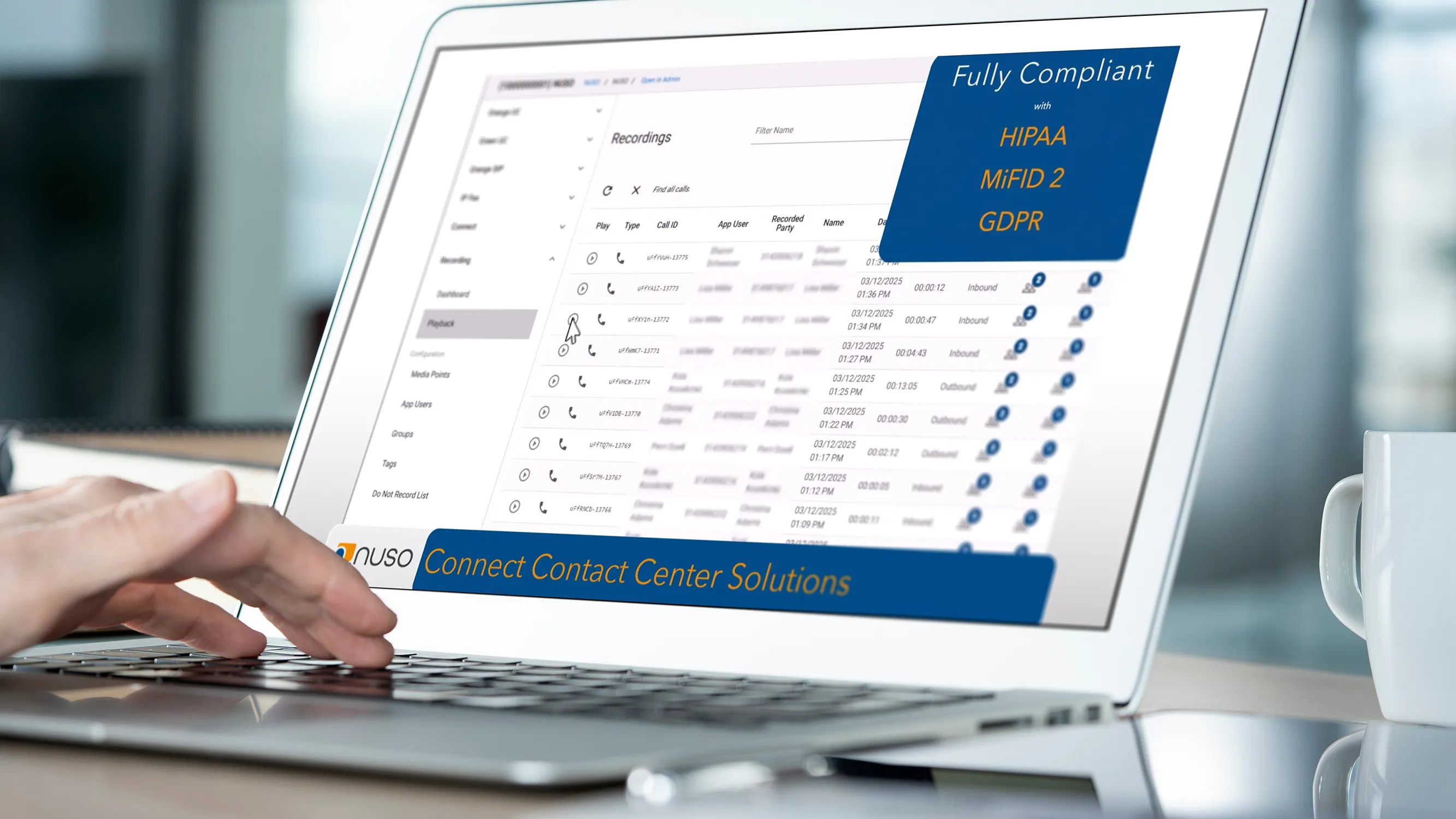
In North America, the drive is often toward rapid scaling and aggressive AI implementation to maximize productivity. However, in Europe and other highly regulated regions, this momentum must be balanced against stringent data residency and privacy mandates like GDPR.
The most successful MSPs in 2026 are those that adopt platforms flexible enough to maintain a unified global footprint while remaining "compliance-aware" at the local level. This ability to navigate diverse regulatory environments is no longer just a legal hurdle; it is a significant competitive advantage that MSPs can offer to their most demanding clients.
Evolving Business Models Emphasize Resilience
For the service providers facilitating this change, the shift represents a total evolution of the business model. Moving away from a reactive "break-fix" mentality allows for a focus on long-term resilience.
When an MSP manages the flow of a company’s interactions, they stop being an outside vendor and become an essential partner. This creates a deeply embedded relationship built on shared outcomes rather than mere maintenance. Financially, this replaces unpredictable project-based revenue with a stable, recurring value model that benefits both the provider and the client’s long-term planning.
Ultimately, the gap between "connected" businesses and "integrated" businesses will only continue to widen. Organizations that continue to treat communications as an isolated utility will find themselves slower to react and increasingly vulnerable to competitors who have turned every interaction into a strategic advantage, guided by MSPs who had the foresight to lead the way.
NUSO is committed to a partner-first philosophy, as the recent launch of a Global Partner Program demonstrates. If you want to connect with our Channel team, please reach out by filling this form. Our team span across North America, United Kingdom and Europe.